Blog · Technology
Why Unreal Engine is the leading technology for architectural visualization
Ten years ago, architectural visualization meant render farms and waiting overnight for a single frame. Today the same quality runs in real time — and the engine behind most of that shift is Unreal Engine.
From render farm to real time
Classic archviz produces finished frames: a still, a film, a fixed camera path. Every change — a different floor, a later hour, another angle — means another render. A game engine works the other way round. It renders the scene continuously, frame after frame, so the camera, the light and the materials can change while you watch.
Unreal Engine was built for games that have to look real and react instantly. Over the last few versions Epic has turned that into a toolset that architects and developers can use directly: Unreal Engine 5 brought lighting, geometry and import pipelines that remove most of the old trade-offs between quality and speed.
Lumen: light that responds instantly
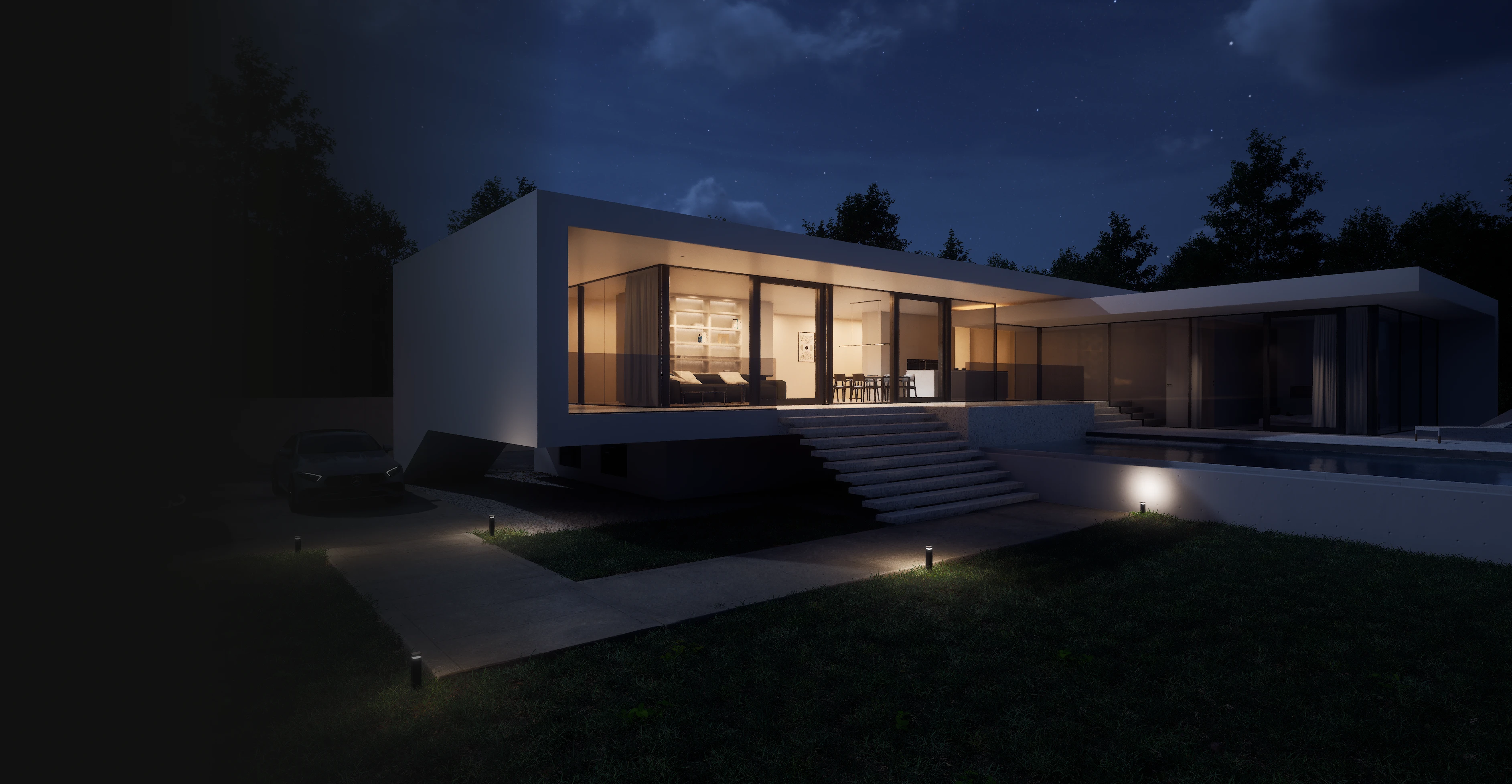
Lumen is Unreal’s dynamic global illumination and reflection system. Light bounces around a room in real time, so there is no lightmap baking and no UV preparation for it. Move the sun, open a door, close the blinds — indirect light updates immediately. For a buyer that means one thing: they can see the apartment at 8 am and at 9 pm, and both look right.
It is not magic. Lumen is strongest in interiors and close-up exteriors; dense foliage still needs extra care. That is part of the craft.
Nanite and large worlds: whole districts, not just rooms
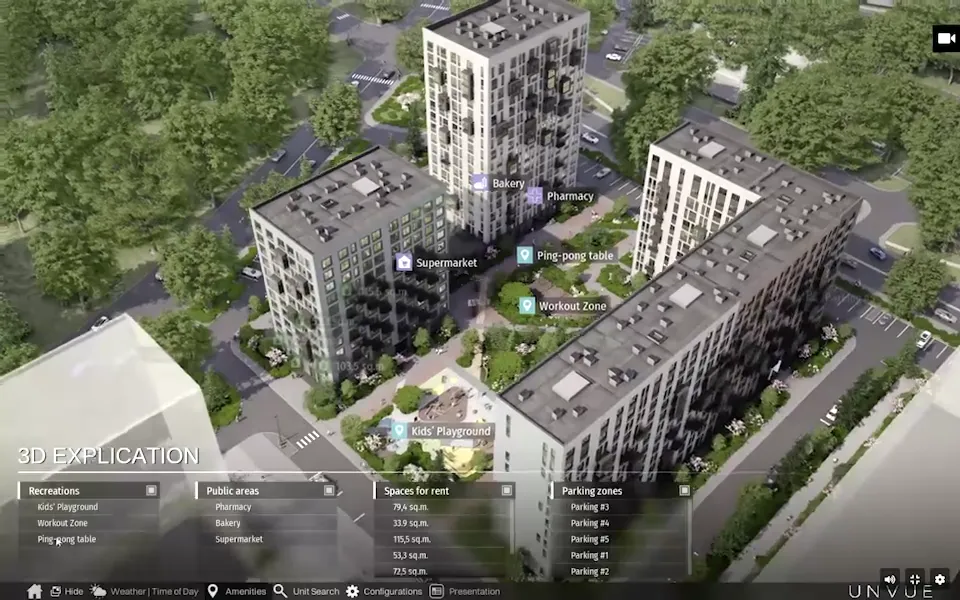
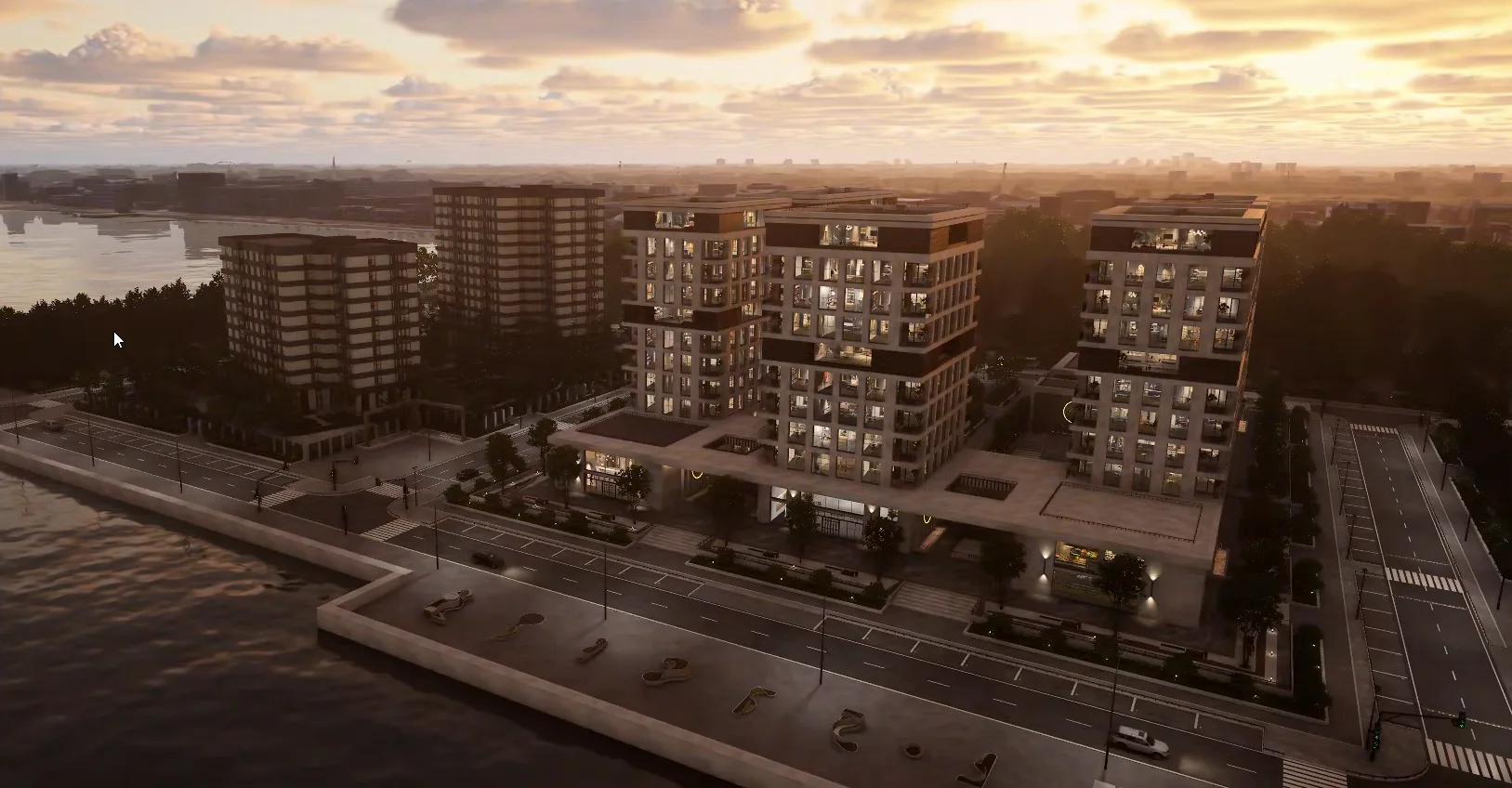
Nanite is a virtualized geometry system that renders multi-million-polygon assets — detailed furniture, photogrammetry, city-scale scans — at real-time frame rates. Combined with World Partition and Large World Coordinates, which stream only the parts of a scene you need, it lets one project hold a whole quarter: the buildings, the streets, the waterfront and the view from the 14th floor.
One scene, every output
The same Unreal project can produce an interactive walkthrough, a cinematic film and marketing stills. Unreal’s built-in Path Tracer renders physically accurate, offline-quality frames from the scene you already have, so renders and the real-time experience match exactly. For developers this removes a familiar cost: paying twice for two versions of the same building.
From CAD and BIM to Unreal
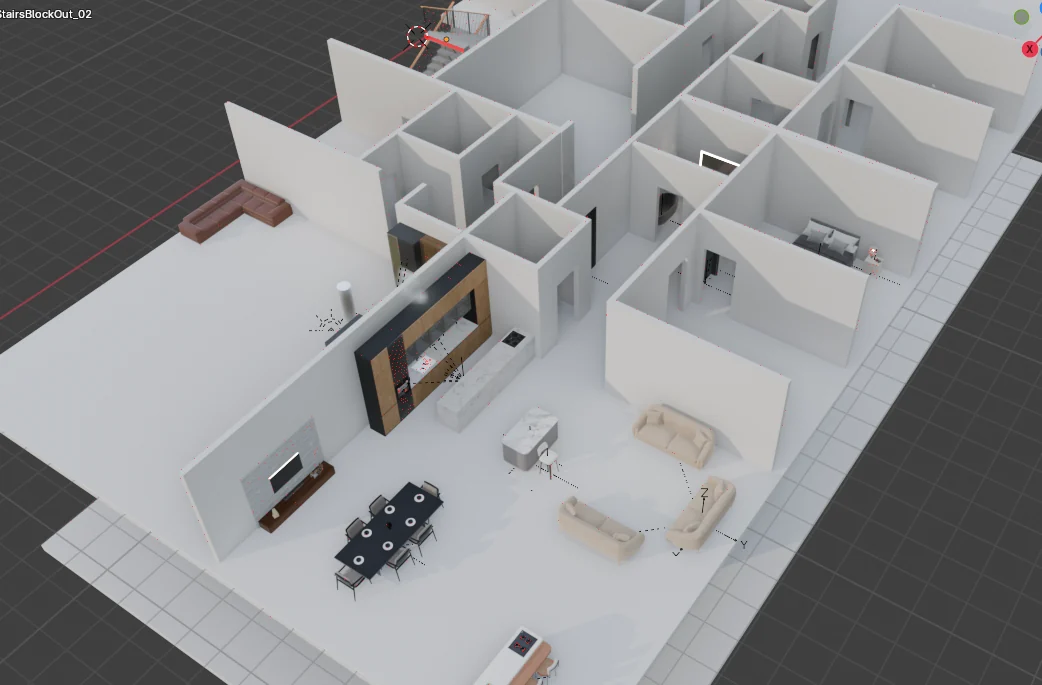
Datasmith brings in models from the tools architects already use, and Direct Link keeps them in sync — there are plugins for Revit, Archicad, Rhino and SketchUp Pro, with built-in support in other packages. Changes in the design model can flow into the scene without a full re-export, which matters when a project is still moving.
What it costs
Unreal Engine is free for students, hobbyists and companies with under $1 million in annual gross revenue. Larger companies using it for non-game work such as architecture pay a seat subscription — $1,850 per seat per year at the time of writing, with Twinmotion and RealityCapture included. For most developers this is irrelevant: the studio building the experience holds the licences, and the buyer only needs a browser.
Where Unreal is not the answer
A real-time engine needs a team that knows it. Optimization, materials and lighting decide whether a scene runs smoothly and looks real — the engine alone does neither. And a full-quality scene needs a powerful GPU. That last problem is solved by streaming: the engine runs on a cloud server and the buyer sees it in the browser. We explain how in our article on Pixel Streaming.
How we use it
Our team comes from game development — titles such as Dune: Awakening, Oblivion Remastered, Call of Duty and World of Tanks — and we build every UNVUE experience in Unreal Engine: walkthroughs, finish and furniture configurators, day and night, unit search across whole developments. You can see all of it live in our three demo projects.
Sources